

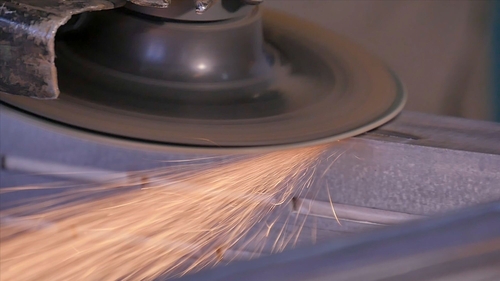
 In the world of manufacturing, precision and quality are paramount. One critical step in ensuring that metal parts meet these standards is metal deburring. While it may seem like a simple finishing process, deburring plays a significant role in the overall performance, appearance, and safety of metal components. This blog will dive into what metal deburring is, why it’s important, the different types of deburring methods, and how it contributes to the final product quality.
What is Metal Deburring?
Metal deburring is the process of removing sharp edges, burrs, and imperfections from metal parts that are created during manufacturing. Burrs are rough edges or protrusions that form when metal is cut, stamped, drilled, or machined. These imperfections, while seemingly small, can have significant impacts on the function, safety, and aesthetics of metal parts. Deburring ensures that the final product is smooth, safe to handle, and performs optimally in its intended application.
Why is Metal Deburring Important?
The process of deburring is critical for several reasons:
- Safety: Burrs can be sharp and cause injury during handling or assembly. Parts with sharp edges are a safety hazard for workers and end users. Deburring eliminates this risk, ensuring that the metal parts are safe to handle.
- Performance: Burrs can interfere with the functionality of the part. For example, burrs on gears or moving parts can lead to friction, which can result in wear and tear, reduced efficiency, or even failure of the component. Removing burrs ensures smoother operation and longer-lasting performance.
- Quality and Aesthetics: A smooth, polished surface contributes to the overall appearance of the product. For industries where aesthetics are important, such as automotive, consumer electronics, or precision tools, deburring is essential for creating a high-quality finish.
- Precision and Fit: In many applications, metal parts must fit together precisely. Burrs or rough edges can prevent proper assembly or interfere with the alignment of components. Deburring ensures that parts fit correctly and work as intended.
- Cost-Effectiveness: If burrs are left on metal parts, they can cause problems in subsequent manufacturing processes, leading to delays, defects, and increased costs. Deburring early in the process helps avoid these issues, ensuring smoother production cycles.
Types of Metal Deburring Methods
There are several methods used to deburr metal parts, each suited to specific types of metal, shapes, and production volumes.
- Manual Deburring: This is the most straightforward method, typically using hand tools such as files, scrapers, and brushes. It’s often used for small batches or for parts with complex shapes that require attention to detail. While it offers high precision, it can be time-consuming and labor-intensive. Expensive due to slow throughput.
- Mechanical Deburring: Mechanical deburring uses machines such as rotary tumblers, vibratory deburring machines, or centrifugal deburring equipment. These machines are designed to remove burrs by tumbling or vibrating the parts along with abrasive media. This method is suitable for parts that require bulk processing and is faster than manual deburring. Also, much more cost effective. This is where Latem Industries shines, as we have all of these machines/methods. Various size machines, different medias and homemade compounds give us a multitude of options to fit your needs.
- Abrasive Blasting: In abrasive blasting, metal parts are subjected to a stream of abrasive particles, such as sand, steel shot, steel grit or glass beads, at high velocity. This process helps to remove burrs and smooth the surface. It is commonly used for parts with complex geometries or parts that require a uniform finish. Again, Latem offers conveyor blast, tumble blast as well as others, including a myriad of shot sizes to fit your requirements.
While metal deburring might seem like a secondary or optional step, it is, in fact, a crucial part of the manufacturing process that directly impacts the performance, safety, and quality of the final product. By eliminating burrs, manufacturers can create components that are not only functional but also safe, durable, and visually appealing. Whether using manual methods for small batches or advanced automated systems for mass production, deburring ensures that the manufacturing process yields the highest-quality results.
As industries continue to push the boundaries of precision and performance, the importance of deburring will only grow, cementing its place as an essential part of metalworking and manufacturing processes across various sectors.