

Plastisol coating is a widely used industrial and commercial finish that combines the properties of polyvinyl chloride (PVC) with plasticizers to create a highly durable, flexible, and protective surface. Applied as a liquid and then heat-cured into a solid, plastisol is used to coat a variety of materials, including metals, textiles, and wires. The benefits of plastisol coating are extensive, making it an ideal choice for applications ranging from manufacturing and construction to automotive and consumer goods. These advantages include exceptional durability, corrosion resistance, versatility, sound dampening, and aesthetic appeal.
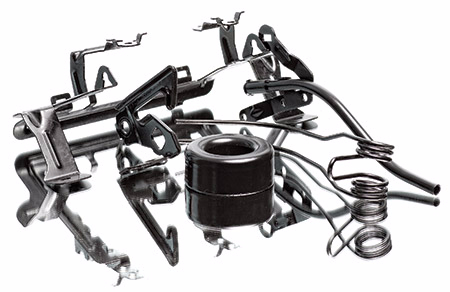
One of the primary benefits of plastisol coating is exceptional durability. Once cured, plastisol forms a tough, rubber-like coating that resists abrasion, impact, and wear. This makes it particularly useful in environments where coated items are subject to frequent handling, physical stress, or contact with machinery. For example, metal tool handles and industrial grating often receive a plastisol coating to improve longevity and maintain performance under harsh conditions.
Corrosion resistance is another major advantage of plastisol. When applied to metal surfaces, plastisol creates an impermeable barrier that protects against moisture, chemicals, salt, and other corrosive elements. This makes it an excellent choice for outdoor equipment, marine components, and automotive parts, where exposure to harsh environmental conditions can quickly degrade unprotected surfaces. In coastal areas or chemically intensive industrial settings, plastisol coatings significantly extend the service life of components by preventing rust and degradation.
Versatility is a key feature that sets plastisol apart from many other coating materials. It can be applied in various thicknesses and textures, allowing customization based on the specific needs of the application. Whether a soft, cushioned feel is required for comfort or a thick, rugged coating is needed for protection, plastisol can be engineered accordingly. It can also be applied via dip coating, spray coating, or molding, making it adaptable to different manufacturing processes.
Another important benefit is sound dampening and insulation. Plastisol coating has inherent vibration-absorbing qualities that make it effective in reducing noise and dampening vibrations. This is especially beneficial in the automotive and appliance industries, where plastisol-coated parts help reduce operating noise and enhance user experience. Additionally, plastisol provides a degree of thermal insulation, making it useful for applications where temperature regulation or burn protection is needed.
Plastisol also offers excellent aesthetic and tactile qualities. It can be produced in virtually any color and gloss level, providing an attractive finish that enhances the visual appeal of coated items. Moreover, its soft-touch surface can improve grip and handling, making it ideal for tool handles, gym equipment, and furniture. Unlike some coatings that may chip or peel over time, plastisol maintains its appearance and functionality even with extended use.
In addition to physical benefits, plastisol coatings are relatively cost-effective. The application process is scalable for both small and large production runs, and the long-term durability of the coating reduces maintenance and replacement costs. Furthermore, modern plastisol formulations can be made compliant with environmental and safety standards, minimizing health risks during application and use.
In conclusion, plastisol coating is a superior finishing option that offers a wide range of benefits, including durability, corrosion resistance, versatility, sound dampening, and aesthetic value. Its protective qualities make it indispensable in many industries, while its adaptability ensures it can meet specific performance and design needs. As technology continues to improve plastisol formulations, its popularity and utility are likely to expand even further, solidifying its place as a critical material in modern manufacturing and product design.