

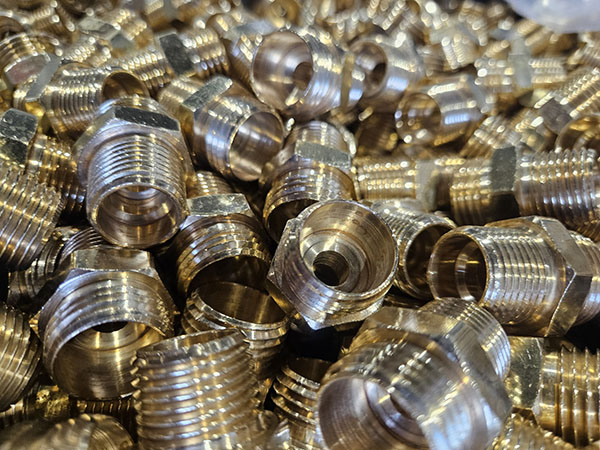
 Aluminum oxide shot blasting is a widely used surface preparation and finishing process in industrial manufacturing. It involves propelling aluminum oxide particles at high velocity onto a surface to clean, roughen, or modify it. Known for its hardness, durability, and versatility, aluminum oxide is one of the most effective abrasive materials available for shot blasting applications. This process plays a critical role in industries such as aerospace, automotive, construction, electronics, and metal fabrication, where surface quality and material performance are essential.
At its core, shot blasting is a mechanical process that uses compressed air or centrifugal wheels to accelerate abrasive particles toward a target surface. Aluminum oxide, also known as alumina (Al₂O₃), is particularly well suited for this purpose due to its extreme hardness, ranking 9 on the Mohs scale, just below diamond. This property allows it to efficiently remove contaminants such as rust, mill scale, paint, grease, and oxidation from metals and other substrates. Unlike softer abrasives, aluminum oxide maintains its sharp edges over multiple uses, ensuring consistent performance and cost efficiency.
One of the primary advantages of aluminum oxide shot blasting is its ability to produce a controlled and uniform surface profile. The angular shape of aluminum oxide particles creates a roughened texture that enhances coating adhesion. This is especially important in applications where surfaces are subsequently painted, powder-coated, anodized, or bonded. A properly blasted surface increases the lifespan and durability of coatings by promoting stronger mechanical bonding. As a result, aluminum oxide blasting is commonly specified in surface preparation standards across various industries.
Aluminum oxide shot blasting is also valued for its versatility. It can be used on a wide range of materials, including steel, stainless steel, aluminum alloys, brass, bronze, ceramics, glass, and certain plastics. By adjusting parameters such as particle size, blasting pressure, and exposure time, operators can achieve different surface finishes, ranging from aggressive material removal to fine matte textures. This adaptability makes aluminum oxide suitable for both heavy-duty industrial cleaning and delicate precision applications, such as preparing electronic components or medical devices.
Another significant benefit of aluminum oxide is its reusability. Unlike expendable abrasives such as sand or slag, aluminum oxide can be recycled multiple times in closed-loop blasting systems. This reduces material consumption and waste generation, contributing to more sustainable manufacturing practices. Additionally, aluminum oxide is chemically inert and contains no free silica, reducing the health risks associated with traditional sandblasting. While proper ventilation and personal protective equipment are still required, aluminum oxide is generally considered a safer alternative when used correctly.
Despite its many advantages, aluminum oxide shot blasting does have some limitations. Its high hardness, while beneficial for cleaning and profiling, can be too aggressive for very soft or thin materials if not carefully controlled. Improper use may result in surface damage, excessive material removal, or dimensional changes. Furthermore, aluminum oxide is typically more expensive than some other abrasive media, such as steel shot or garnet. However, its durability, performance consistency, and recyclability often offset the higher initial cost over time.
In modern manufacturing, aluminum oxide shot blasting is frequently integrated into automated systems to improve efficiency and repeatability. Automated blasting cabinets and conveyor-based systems allow for precise control of blasting conditions, reducing human error and ensuring consistent quality. These systems are particularly important in industries with strict quality requirements, such as aerospace and automotive manufacturing, where surface integrity directly affects safety and performance.
In conclusion, aluminum oxide shot blasting is a highly effective and versatile surface treatment process that offers numerous advantages in terms of cleaning efficiency, surface profiling, and material compatibility. Its hardness, durability, and reusability make it a preferred abrasive in many industrial applications. While careful control is necessary to avoid surface damage, the benefits of aluminum oxide shot blasting far outweigh its limitations. As manufacturing technologies continue to evolve, aluminum oxide will remain a key material in achieving high-quality, reliable surface finishes across a wide range of industries.